


Rohit Godara gang coordinating violence and extortion through imprisoned associates; young recruits fuel criminal operations
Ludhiana — A police encounter in Ludhiana has exposed a sophisticated criminal network operating across international borders and state prison systems, with gangsters based abroad directing extortion and violent crimes through their associates imprisoned in Punjab jails.
The breakthrough came following an encounter with shooters affiliated with gangster Rohit Godara, who operates from outside India. The subsequent interrogation of arrested suspects has revealed how inmates are actively coordinating illegal activities, raising serious questions about prison security and the reach of organized crime networks.
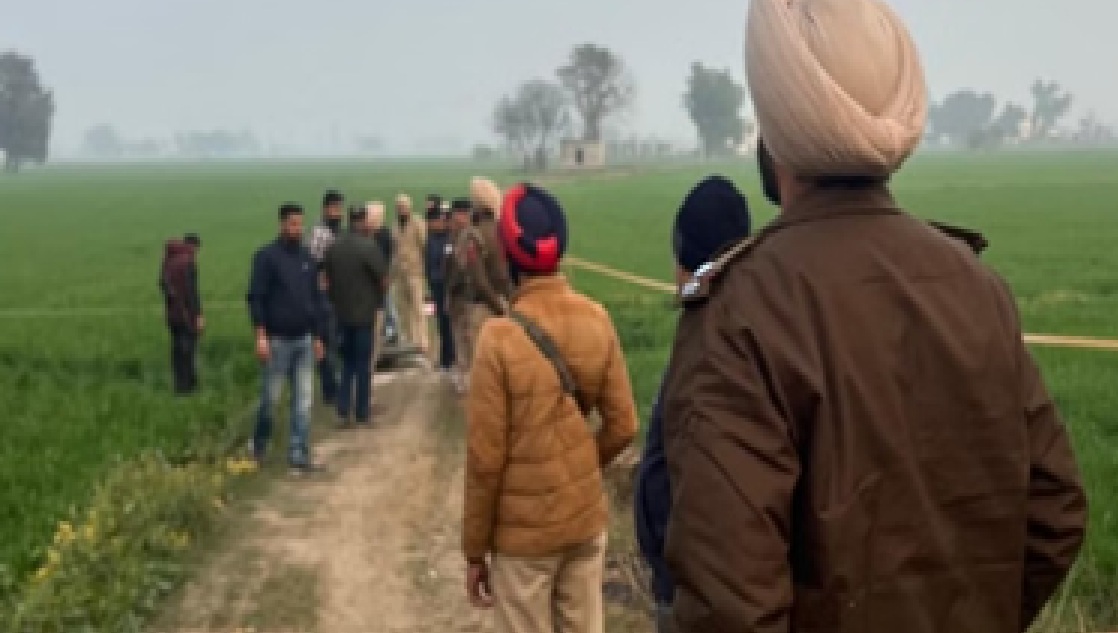
The Network Exposed
Investigation by Ludhiana police uncovered that Rohit Godara, the overseas-based gang leader, has been hiring shooters through his associate Shubham Grover, currently imprisoned in Ferozepur jail. This arrangement has enabled the gang to conduct extortion operations and contract violence across multiple Punjab cities without the kingpin leaving the country.
According to police, Grover acts as a liaison between Godara and street-level operatives, with the imprisoned associate directly orchestrating extortion demands from local businessmen across different urban areas. The network demonstrates how modern criminal enterprises exploit prison systems as operational bases.
The Trigger: Refused Extortion Leads to Violence
The immediate trigger for the police action involved an extortion demand made on Himanshu, a textile merchant in Ludhiana’s Civil City area. The gang demanded Rs. 50 lakh from the businessman. When Himanshu refused to comply, the network swiftly escalated to violence. Shooters affiliated with the gang opened fire on his shop, escalating the case from extortion to attempted murder.
The brazen attack prompted swift police intervention, resulting in an encounter operation that would uncover the larger criminal conspiracy.
The Encounter and Arrests
Police action led to the apprehension of three shooters involved in the attack on Himanshu’s shop. The arrested individuals have been identified as Sumit (alias Altron, alias Tunda), Sanju, and Sumit Kumar.
During the encounter, two of the suspects sustained serious injuries and were hospitalized in critical condition, limiting immediate interrogation. Sumit alias Tunda, who was apprehended during the operation, was brought to the police station for questioning. Investigators are using his statements to gather intelligence about other gang members, particularly focusing on locating Mahinder Dhalana, believed to be another key operative in the network.
Young Lives, Criminal Trajectories
A particularly disturbing aspect of the investigation is the age profile of the arrested shooters. Two of the three suspects are only 19 years old, while the third is 21. The involvement of such young individuals highlights how organized crime networks are actively recruiting minors and young adults into their operations.
According to police records, all three arrested suspects already have extensive criminal histories. Their past cases include attempted murder, robbery, snatching, and drug trafficking—indicating they were drawn into serious crime at remarkably young ages. The cases raise concerns about how youth are being funnelled into criminal enterprises and the social factors enabling such recruitment.

Investigation Ongoing
Ludhiana police are continuing their investigation to dismantle the full network operating from within prison walls. Authorities emphasize that the case demonstrates how incarcerated gang members pose an active threat to public safety, coordinating crimes from behind bars while their overseas masters remain beyond immediate reach.
The investigation also highlights systemic vulnerabilities in prison security and communication protocols that allow inmates to maintain operational control over criminal networks. Police officials indicate this case will prompt a review of jail operations across Punjab to prevent similar arrangements.
The revelations underscore a growing challenge for law enforcement: organized crime networks that operate across state boundaries, international borders, and prison systems simultaneously—requiring coordinated action between multiple agencies and jurisdictions.





Leave a Reply