

Victim’s Family Condemns Religious Leader’s Remarks as “Rubbing Salt in Wounds”
Jalandhar, Punjab — The death of a 13-year-old girl in Jalandhar has taken a new controversial turn, as remarks made by Pastor Ankur Narula regarding the accused murderer have sparked intense backlash from the victim’s family and ignited a broader debate about justice, forgiveness, and the role of religious leaders in sensitive criminal cases.
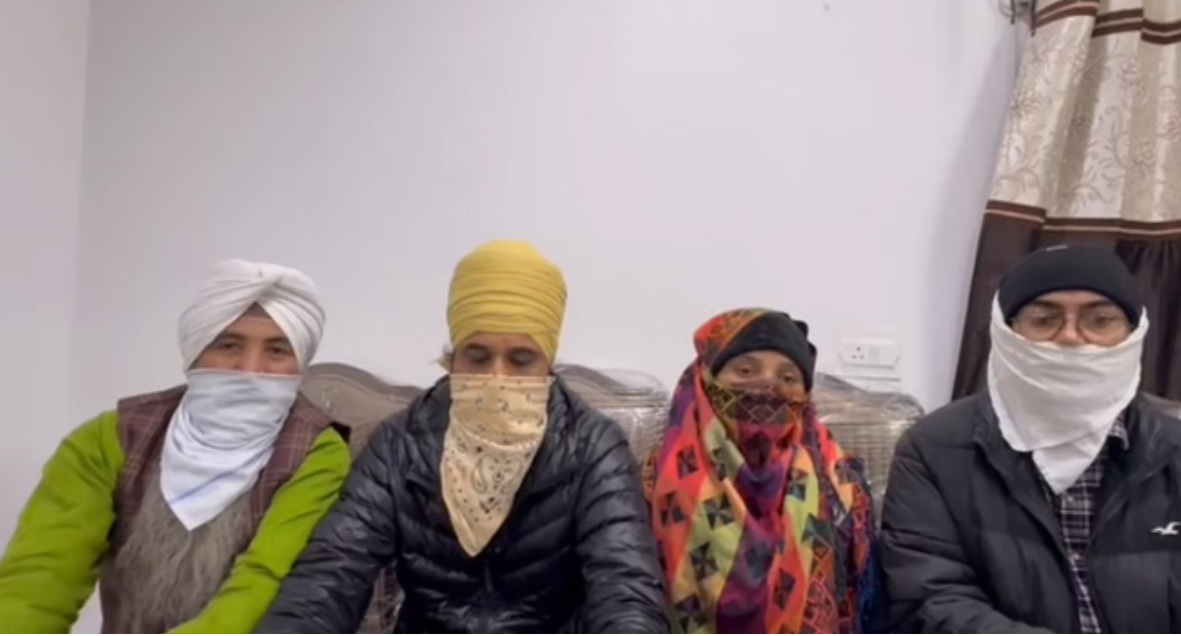
The Statement That Ignited the Controversy
In recent statements, Pastor Ankur Narula articulated a theological position cantered on redemption and forgiveness. He described the church as a “spiritual hospital” and emphasized that Christian teachings call for extending mercy to sinners and those who have gone astray. Citing biblical doctrine, the pastor stated that Jesus Christ’s message is directed not toward the righteous, but toward sinners deserving of divine forgiveness.
These remarks were made in the context of Harminder Singh, alias Rimpy, who stands accused in connection with the murder of the young girl.
Family’s Anguished Response
The victim’s family has responded with acute distress and anger to the pastor’s statements, describing his words as deeply hurtful at a time of profound grief. “This statement is like rubbing salt in our wounds,” the family expressed in their response.
The family emphasized that the brutality of the crime and the loss of their daughter has moved not only Punjab but people across the country. They accused the pastor of attempting to gain “false fame” by complicating a sensitive matter at a time when the nation mourns the victim and demands justice.
Questioning Selective Compassion
In a pointed critique, the victim’s family raised sharp questions about the application of forgiveness and redemption in the Indian justice system. If forgiving those accused of heinous crimes is truly the pastor’s conviction, they asked, then why do thousands of individuals convicted of murder and rape remain in Indian prisons?
The family suggested sarcastically that if forgiveness is the operative principle, the pastor should work to empty India’s jails, bring the accused into his home, and personally extend forgiveness to them.
Allegations of Special Treatment
The victim’s family further challenged the pastor’s position by raising concerns about what they perceive as inconsistency in the application of forgiveness principles. They pointed to the case of Pastor Baljinder, who is currently serving a prison sentence in connection with a rape case. The family questioned why that pastor has not similarly received such vocal calls for forgiveness and redemption.
This comparison led the family to speculate whether there may be an undisclosed relationship or proximity between Pastor Narula and the accused in the current case. “No one else has made such statements about forgiving the accused since this heinous incident,” they noted, adding that the pastor’s singular focus on mercy raises questions about his true motivations.
Call for Restraint
The victim’s family made clear their position regarding what they believe Pastor Narula should have done. Rather than issue statements about forgiving the accused, they argued, he should have remained silent if he could not offer solidarity and support to the bereaved family. His remarks, they contended, have only deepened their pain during an already unbearable period of grief.
“If he couldn’t stand with us, he should not have further aggravated our suffering with such remarks,” the family stated.

Broader Implications
The controversy has transcended the specifics of the case itself, evolving into a wider discussion about religious responsibility, the relationship between faith and justice, and the rights of victims’ families in the criminal process. The incident raises fundamental questions about whether calls for forgiveness are appropriately timed in the immediate aftermath of violent crime, and whether religious leaders have a duty to consider the impact of their statements on grieving families seeking accountability.
Legal experts and social commentators are divided on the matter, with some defending the pastor’s right to espouse theological principles while others argue that pastoral responsibility demands greater sensitivity to the context and immediate needs of those experiencing trauma.
As the case proceeds through the legal system, the emotional and philosophical dimensions of this tragedy continue to reverberate through Punjab’s communities, touching on deep questions about justice, mercy, faith, and the limits of forgiveness.










Leave a Reply