

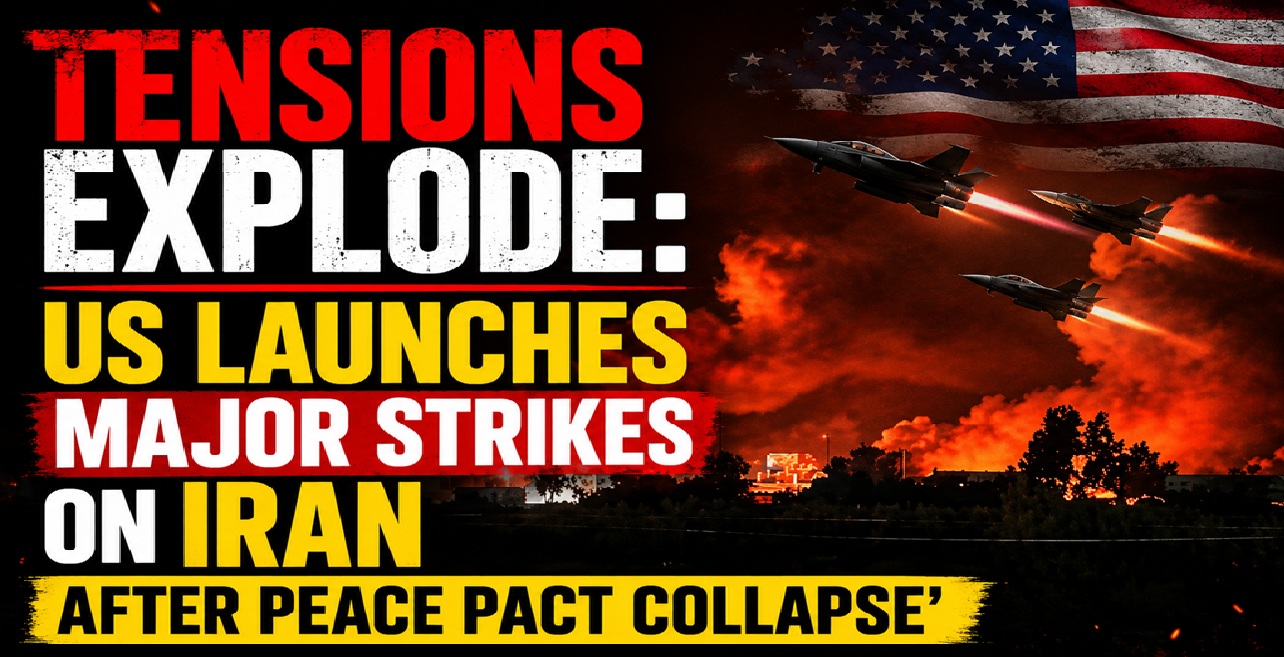
WASHINGTON/TEHRAN — The fragile peace between the United States and Iran has shattered. Following President Donald Trump’s formal termination of the interim peace agreement late Wednesday, U.S. Central Command (CENTCOM) launched a massive series of airstrikes against strategic military and infrastructure targets across southern Iran.
The military campaign, described by the Pentagon as a mission to “degrade Iran’s ability to threaten freedom of navigation,” has pushed the Middle East to the precipice of full-scale conflict.
A Swift Military Response
The escalation followed an intense diplomatic standoff. Hours after President Trump announced that the peace framework was “over” at the NATO summit, U.S. warplanes and cruise missiles initiated a coordinated assault.
The strikes hit deep into Iranian territory, focusing heavily on the southern coastline. Reports from regional news agencies confirm multiple explosions in major cities, including:
-
Bandar Abbas: Air defence systems were triggered following at least eight high-intensity blasts.
-
Chabahar and Konark: Targeted strikes have caused significant infrastructure damage, including reported power outages.
-
Infrastructure Targets: Among the most significant hits was the strategic railway bridge in the south, designed to disrupt logistics and maritime-related control towers.
According to Iran’s state news agency, IRNA, the strikes have resulted in casualties, including the death of a firefighter at an airport in south-eastern Iran.
The “Strait of Hormuz” Flashpoint
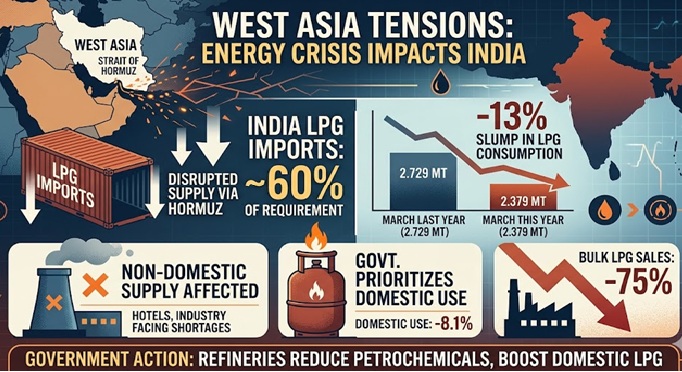
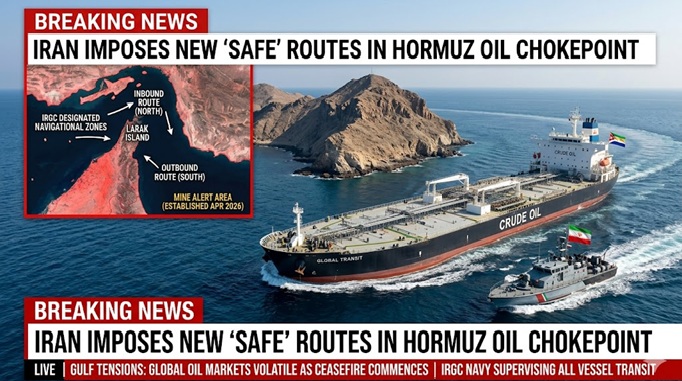
The U.S. justification for the operation centres on the security of the Strait of Hormuz, the world’s most critical oil transit artery. CENTCOM has explicitly blamed Tehran for a series of “unprovoked attacks” on three commercial cargo vessels, accusing Iran of endangering civilian crews and global energy supplies.
“The United States holds Iran accountable for its recent attacks on commercial vessels,” CENTCOM stated on the social media platform X. “Our forces have conducted these strikes to ensure that international waterways remain open and secure.”

A Region on High Alert
The atmosphere across the Gulf is now characterized as “war-like.” Security agencies throughout the region have been placed on the highest possible alert, and global markets are reacting sharply to the uncertainty surrounding oil transit.
In Tehran, the Foreign Ministry has officially denounced the U.S. actions as a severe violation of international law. Officials have warned of a “strong, decisive response,” leaving international observers fearful that the current military exchange could quickly spiral into a wider regional war.
As of Thursday morning, there are no indications of a diplomatic off-ramp. President Trump’s declaration that “no talks” will occur with the current Iranian leadership signals that the U.S. intends to maintain its aggressive military posture for the immediate future.





Leave a Reply