


CHANDIGARH — The Punjab government has announced a landmark expansion of its public transport fleet, with the addition of 1,279 buses to be distributed between Punbus and PRTC. This comprehensive initiative represents one of the most significant infrastructure investments in recent years, aimed at revolutionizing connectivity across the state’s urban and rural landscapes.
Current Fleet and Strategic Vision
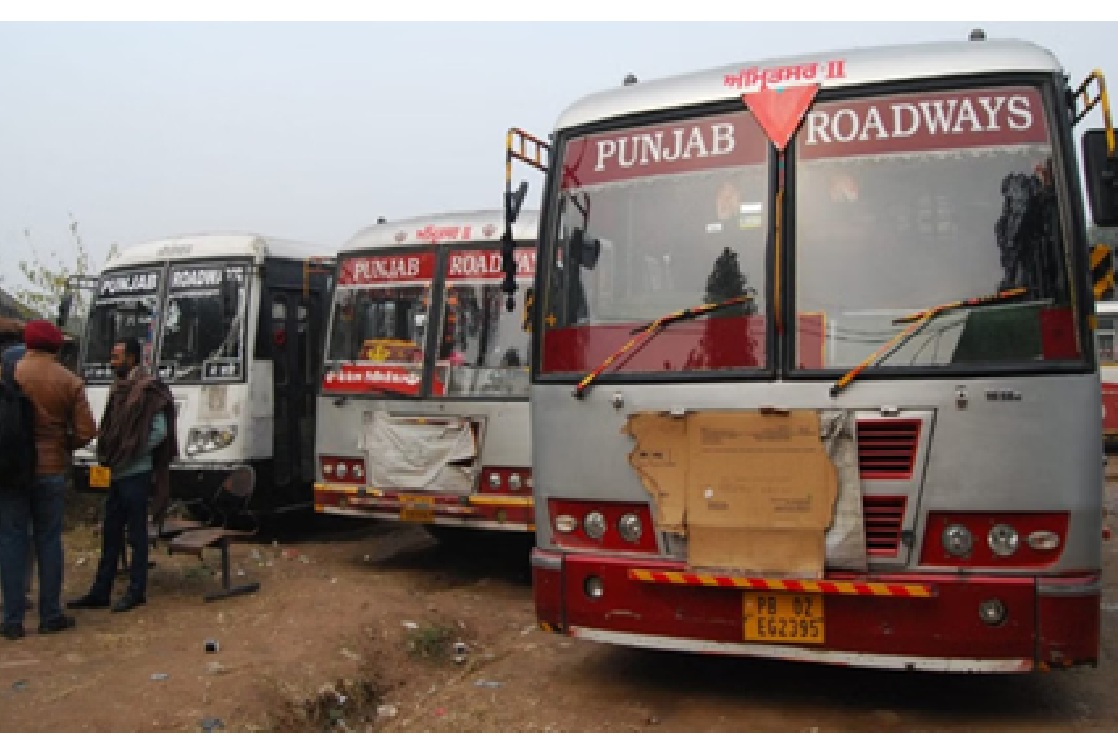
The Punjab government currently operates 2,267 buses under its transport wing, with 1,119 buses managed by Punbus (Punjab State Bus Stand Management Company Limited). The decision to expand the fleet reflects Chief Minister Bhagwant Singh Mann’s vision of prioritizing affordable, safe, and accessible public transportation as a cornerstone of good governance.
“Public services should not be profit-driven but efficient, safe, and accessible,” a government statement emphasized, highlighting the administration’s commitment to ensuring transport remains a public good rather than a commercial enterprise.
Breakdown of the Expansion Plan
The expansion strategy combines two approaches: direct purchase and leasing arrangements. Of the 1,279 new buses, 796 will be purchased directly by the government, while 483 will be inducted under the kilometre scheme—a cost-effective leasing model that ensures fleet expansion without excessive financial strain.
The purchase composition includes 696 ordinary buses and 100 specialized midi buses. Punbus will receive 387 ordinary buses, while PRTC will acquire 309 ordinary buses. The 100 midi buses, designed specifically for congested city roads and narrow rural routes, will be added to the PRTC fleet, addressing a long-standing gap in service to smaller towns and villages that larger vehicles cannot adequately serve.
Safety Standards and Passenger Comfort
All newly purchased ordinary buses will adhere to AIS-153 standards, ensuring enhanced safety and accessibility for all passengers. The buses feature comprehensive safety infrastructure including fire detection systems, clear emergency signage, GPS tracking, CCTV surveillance, LED lighting, and night lamps—particularly important for women commuters traveling during evening hours.
Accessibility improvements include enhanced boarding facilities for partially disabled passengers, wheelchair-accessible entry points, reduced noise and vibration levels, and overall improved performance metrics that benefit both passengers and drivers.
Environmental Responsibility
The Punjab government has also prioritized environmental sustainability. Under the kilometre scheme, Punbus will induct 100 HVAC (Heating, Ventilation, and Air Conditioning) buses and 100 ordinary buses, along with other Volvo buses, bringing its total fleet size to 1,721. These HVAC buses will comply with Bharat Stage-6 emissions standards, ensuring lower environmental impact and improved public health outcomes.
PRTC will additionally procure 254 ordinary buses and 14 integral coach buses under the same scheme, contributing to the state’s broader commitment to reducing carbon emissions and promoting sustainable urban mobility.
Overall Impact and Distribution
The comprehensive expansion will add 670 additional buses to PRTC and 602 buses to Punbus, significantly enhancing route coverage, reliability, and service continuity across Punjab. The phased induction of these buses will commence in March, with systematic implementation ensuring seamless operations without disrupting existing services.
Addressing Connectivity Gaps
The expansion directly addresses long-standing transport deficiencies in smaller towns and villages that were previously neglected by inadequate government services. By strengthening the Punbus and PRTC networks with modern, safe, and environmentally friendly buses, the Mann government positions itself as a reliable public transport provider, making daily commutes more accessible for all citizens.
Socioeconomic Benefits
Affordable transportation serves as a critical enabler for accessing education, healthcare, and employment opportunities across the state. The inclusion of 1,279 modern buses underscores the government’s conviction that robust infrastructure intervention is essential for inclusive development.
“More government buses will be operating on Punjab’s roads instead of private operators, and public transport is being reprioritized in the public interest,” the statement affirmed, signalling a fundamental shift toward public-led service delivery.

Looking Ahead
This expansion represents a transformative moment for Punjab’s transport system. By combining direct purchase with cost-effective leasing models, maintaining stringent safety and environmental standards, and prioritizing connectivity for underserved communities, the Punjab government is laying the groundwork for a more equitable, efficient, and sustainable public transportation ecosystem.
The phased implementation beginning in March 2025 marks the beginning of a new era in state mobility, promising easier commutes, enhanced economic activity, and renewed public trust in government bus services.








Leave a Reply