

Collision with wildlife herd near Hojai causes five coaches to derail; no passengers injured in early morning incident
ASSAM — A tragic collision between the Sairang-New Delhi Rajdhani Express and a herd of elephants left seven of the animals dead and one injured in the early hours of Saturday morning, marking another devastating incident in India’s ongoing struggle with wildlife-railway conflict.
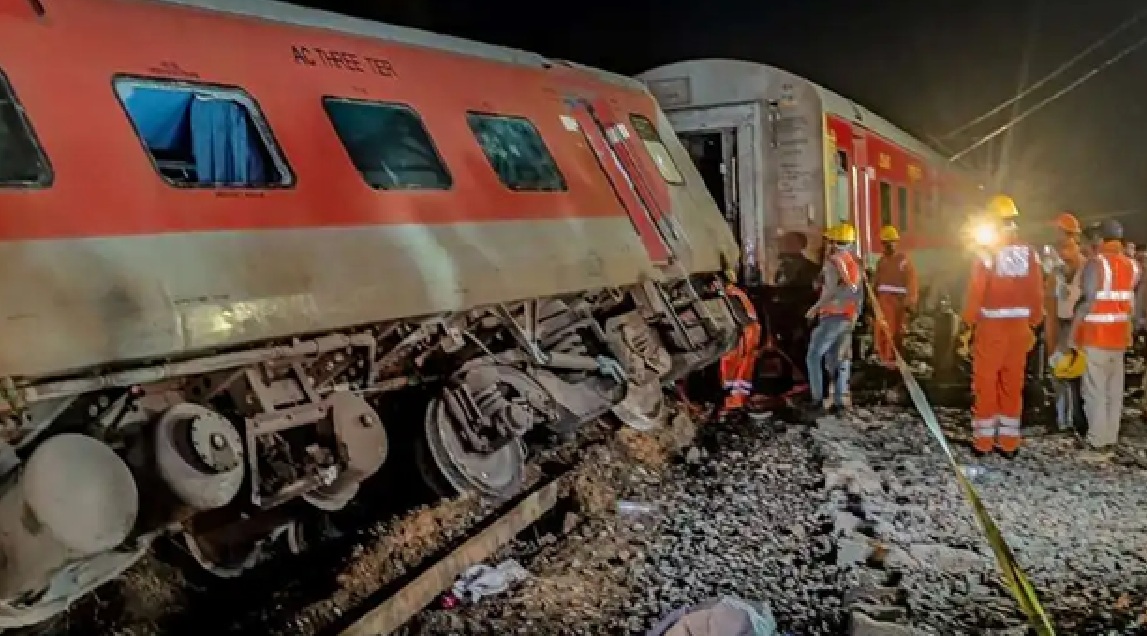
The accident occurred at approximately 2:17 am in the Changjurai area of Hojai district in Assam when the train struck the elephant herd crossing the tracks. The impact was severe enough to cause five coaches and the train’s engine to derail, disrupting rail services on the Jamunamukh-Kampur section. Despite the magnitude of the collision, no passengers aboard the train were reported injured.
“Seven elephants from a herd were killed and one injured after being hit by the Sairang-New Delhi Rajdhani Express in Hojai district of Assam,” said Nagaon Divisional Forest Officer Suhas Kadam, who arrived at the scene along with other forest officials to assess the damage and document the casualties.
A spokesperson for the Northeast Frontier Railway confirmed the incident, stating that the train bound for New Delhi’s Anand Vihar Terminal sustained significant damage in the collision. Trains passing through the affected section have been diverted to alternative routes while repair work is currently underway.
A Growing Crisis
The incident underscores a critical and escalating challenge facing India’s wildlife conservation efforts. Train collisions have emerged as the primary cause of unnatural elephant deaths in the country, with fatalities rising steadily each year.
India is home to approximately 150 elephant corridors—vital migration routes used by elephant herds to traverse the subcontinent. Many of these corridors are intersected by Indian Railway lines, creating dangerous crossing points where deadly encounters between trains and wildlife are all too common.
“The number of elephants dying in train accidents is constantly increasing,” forest officials noted, pointing to the systemic nature of the problem that has claimed countless animal lives in recent years.
Prevention Measures Underway
Recognizing the severity of the crisis, the Indian government has initiated a comprehensive approach to prevent future accidents. Planned interventions include the installation of distributed acoustic sensors capable of detecting elephant presence on railway tracks, along with AI-powered intrusion detection systems designed to provide early warnings to train operators.
Additional protective measures are being implemented at identified elephant corridors, including the construction of underpasses and ramps to facilitate safe animal passage, installation of warning signboards for locomotive pilots, strategic removal of vegetation and food sources near tracks, and deployment of LED lights powered by solar systems in forested areas to discourage wildlife from entering railway zones.

However, wildlife officials acknowledge that the implementation of these safety measures will require considerable time to complete across India’s extensive railway network. Until comprehensive infrastructure improvements are in place, elephant herds crossing rail lines remain at significant risk.
The Sairang-New Delhi Rajdhani Express, which connects Sairang near Aizawl in Mizoram to Delhi, is one of many trains traversing routes that intersect critical wildlife corridors. Saturday’s tragedy serves as a stark reminder of the urgent need to accelerate protective measures that could prevent such incidents from claiming more animal lives.















Leave a Reply